How to use the color maroon
Maroon’s depth makes it highly versatile, but only when applied with clear intention. Here is how to harness its power across various practical areas.
In business and professional settings
Maroon conveys trust, stability, and quiet authority. For instance, law firms and financial advisors often use it in their branding to signal competence without arrogance. However, avoid maroon for urgent calls-to-action. Research in color psychology suggests it slows decision-making rather than speeding it up.
In branding and marketing
Major organizations use maroon to communicate legacy and resilience. Brands like AARP and Purdue University employ it for its mature and historical weight. For readability, experts recommend pairing it with cream or soft white. You should also avoid neon accents, as they clash with maroon’s dignified nature.
In interior design
Use maroon to create intimacy on an accent wall or with library shelves. It pairs beautifully with brass and walnut wood. In bedrooms, it can promote restful sleep by lowering visual stimulation. However, never paint an entire small room maroon. Without ample lighting, it can feel oppressive and cave-like.
In cinema and visual storytelling
Filmmakers use maroon to signal moral complexity. In The Grand Budapest Hotel, maroon uniforms denote institutional loyalty. In Schindler’s List, a deep red coat symbolizes individual life amid tragedy. Therefore, this color rarely signifies simple good or evil. Instead, it implies layered humanity.
In fashion and personal appearance
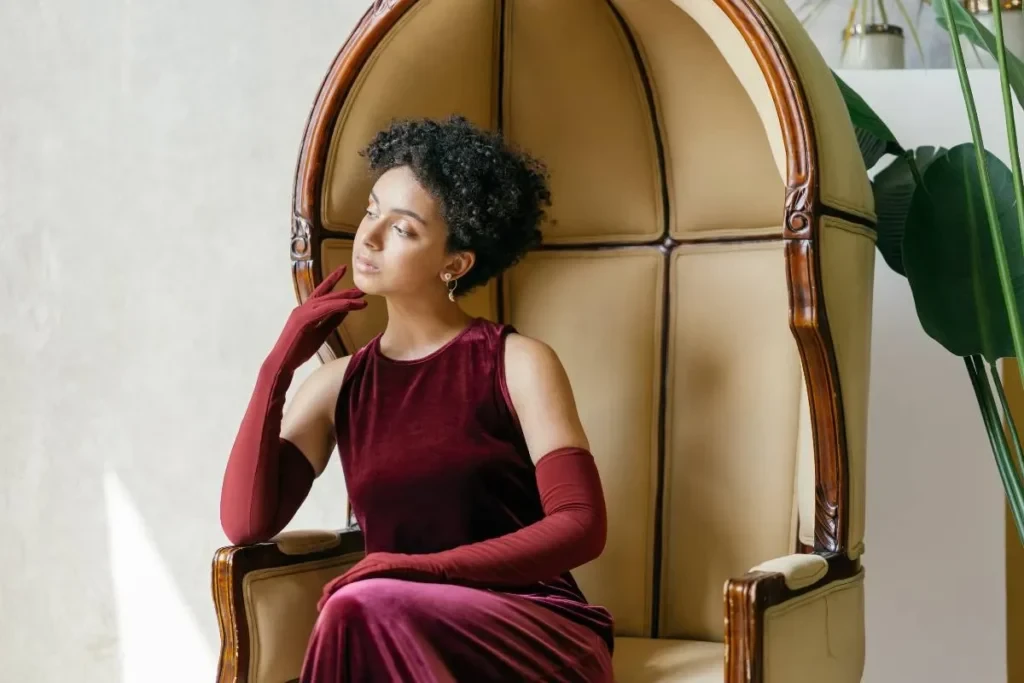
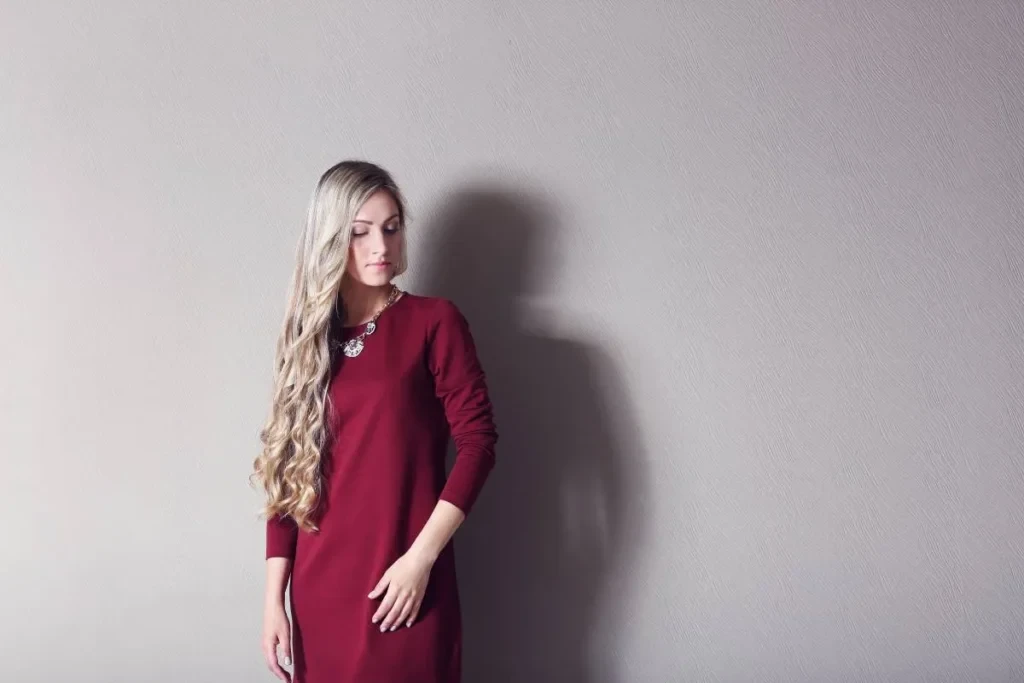
People with warm skin undertones often look striking in maroon clothing, as it enhances golden or olive skin. Conversely, those with cool undertones should choose blue-based maroons to avoid sallowness. Natural maroon hair is rare but exists in deep auburn tones.
In makeup and beauty
Maroon lipstick or eyeshadow adds drama without garishness. It suits evening events and artistic expression. On fair skin, use a sheer application. On deeper skin tones, a bold application is striking. Avoid pairing it with heavy black liner; instead, use bronze or taupe for harmony.
In food and nutrition
Many maroon foods are rich in health benefits. For example, red kidney beans, beets, and black berries carry this hue. These foods are often rich in antioxidants like anthocyanins, linking the color to health and longevity in culinary presentation.
In culture, quotes, and idioms
Few common idioms use the word “maroon” directly. However, phrases like “blood runs deep” echo its symbolic meaning. Literary quotes often describe maroon as “the color of old courage.” Its absence from casual speech reinforces its association with seriousness.
In art and architecture
Historically, artists used maroon to denote importance. Renaissance painters used it for saints and scholars. In Islamic architecture, maroon tiles symbolize humility. Modern architects use maroon brick to visually anchor buildings, such as university halls.
In music and titles
Songs with maroon in the title are uncommon, which reinforces its serious tone. Taylor Swift’s song “Maroon” uses the color to represent a love faded from red to something quieter. When artists reference it, they typically mean endurance rather than fleeting romance.
In geography and nature
No major city is named “Maroon.” However, places like Maroon Bells in Colorado honor the word’s roots in nature and history. These locations often attract people seeking solitude or a deep historical connection.
In gardening and landscaping
You can plant maroon foliage for year-round depth. Good choices are coleus, Japanese maples, and heuchera. These plants offer rich texture and mood without relying on flowers. In autumn, many plants like oakleaf hydrangea naturally turn maroon, signaling seasonal transition.